
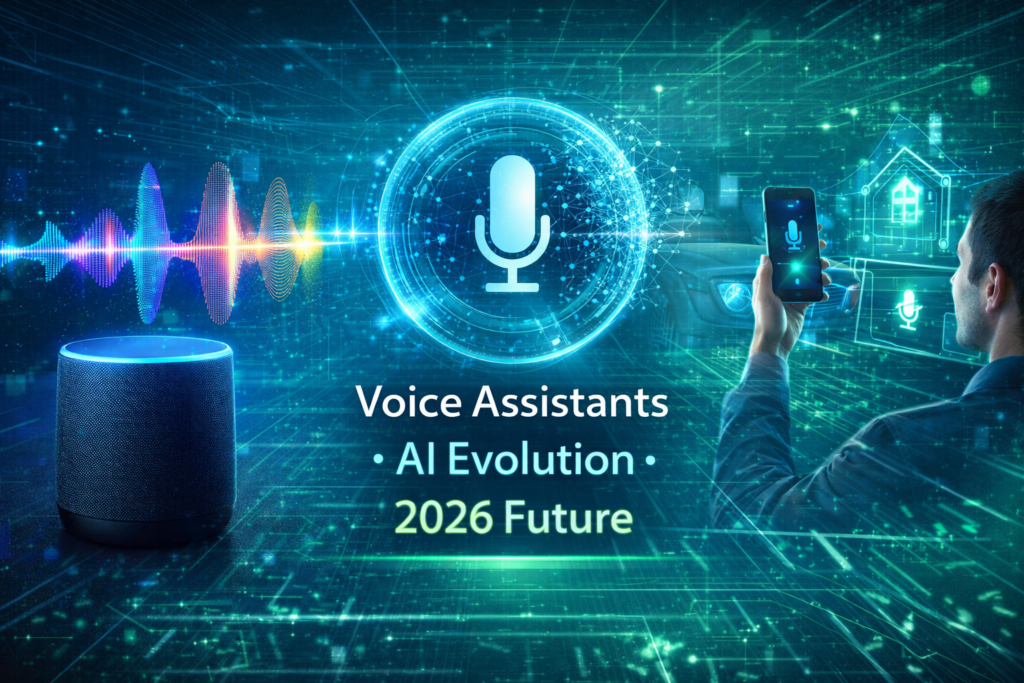
Voice assistants in 2026 are evolving with generative AI, smarter conversations, deeper integration across devices. Explore latest trends, updates and insights.
Auto Rickshaw 2026: India’s Lifeline Faces EV Shift, Fuel Crisis & Urban Mobility Disruption
Introduction: Why Voice Assistants Are Entering a New Era
The Voice assistants market in 2026 is undergoing a dramatic transformation. Once limited to simple commands like setting alarms or playing music, today’s assistants are becoming AI-powered digital agents capable of conversations, task automation, and real-world actions.
From Amazon’s Alexa+ upgrades to Apple’s next-gen Siri and Google’s Gemini transition, the voice ecosystem is shifting from reactive tools to proactive intelligence.
The Evolution of Voice Assistants
Voice assistants have evolved through three major phases:
Phase 1: Command-Based Assistants
- Basic queries and voice commands
- Limited contextual understanding
Phase 2: Smart Ecosystem Integration
- Smart home control
- App integrations and automation
Phase 3 (2026): AI-Powered Agents
- Conversational AI
- Multi-step task execution
- Context awareness and personalization
Modern assistants like Amazon Alexa, Google Assistant (now evolving into Gemini), and Apple Siri are at the center of this shift.
Latest News & Developments (2026)
Generative AI Is Transforming Voice Assistants
- New assistants are becoming fully conversational AI systems
- Users can speak naturally instead of using rigid commands
- Assistants now understand context and follow-up questions
Reports indicate that the first generation of assistants plateaued, but AI upgrades like Gemini and Alexa+ are unlocking true conversational experiences.
Alexa+ Introduces Real-World Task Execution
- Users can now order food via voice conversations
- Modify orders, ask suggestions, and complete transactions naturally
- Expanding to shopping, travel, and daily planning
This marks a shift from “command execution” to goal-oriented AI behavior.
Apple Reinvents Siri with AI Integration
- New Siri expected to handle multiple commands at once
- Integration with AI models like Gemini
- Positioned as a full AI chatbot within Apple ecosystem
Apple’s redesign signals a move toward deep AI-native assistants.
AI Voice Becomes a Competitive Battlefield
- Companies like Amazon, Google, and SoundHound are competing heavily
- Voice AI expanding into cars, enterprises, and customer service
Voice is becoming the primary interface for interacting with AI systems.
Smart Devices Driving Adoption
Voice assistants are increasingly embedded in:
- Smart homes
- Appliances
- Vehicles
- Wearables
New AI-powered devices show how voice assistants are becoming invisible infrastructure in daily life.
Key Features of Modern Voice Assistants
Core Capabilities:
- Natural language conversations
- Multi-step task execution
- Smart home control
- Personal scheduling and reminders
Advanced Capabilities (2026):
- Integration with apps (email, maps, shopping)
- Context awareness across conversations
- Proactive suggestions and alerts
- Cross-device synchronization
Modern assistants now act less like tools and more like personal AI managers.
Industry Trends Shaping Voice Assistants
Shift to Generative AI
Traditional assistants are being replaced by AI models capable of reasoning and conversation.
Ecosystem Wars
- Apple vs Google vs Amazon
- Each assistant tied to its ecosystem
- User choice depends on device usage
Rise of AI Agents
Voice assistants are evolving into:
- Task automation agents
- Workflow managers
- Digital companions
Ubiquity Across Devices
Voice assistants are now embedded in:
- Smartphones
- Smart TVs
- Cars
- IoT devices
Voice Assistants: Opportunities vs Challenges
Opportunities:
- Hands-free computing
- Increased productivity
- Accessibility for all users
- Smart home automation
Challenges:
- Privacy concerns
- Data security risks
- Accuracy issues in complex tasks
- Overdependence on ecosystems
Some reports even highlight that assistants still struggle with simple tasks despite AI upgrades, showing the gap between hype and reality.
Future Outlook: What’s Next for Voice Assistants
Expected Developments:
- Fully autonomous AI agents
- Emotional intelligence and personalization
- Seamless human-like conversations
- Deeper integration with work and business tools
By 2030, voice assistants could become:
Your primary interface to digital life
Disclaimer: This image is a conceptual and illustrative representation created for informational and promotional purposes only. The visuals, interface elements, and device interactions depicted may not reflect the exact functionality or design of real-world voice assistants or AI systems. Any resemblance to specific products, platforms, or services is purely coincidental. This content is not affiliated with, endorsed by, or sponsored by any technology company or organization.
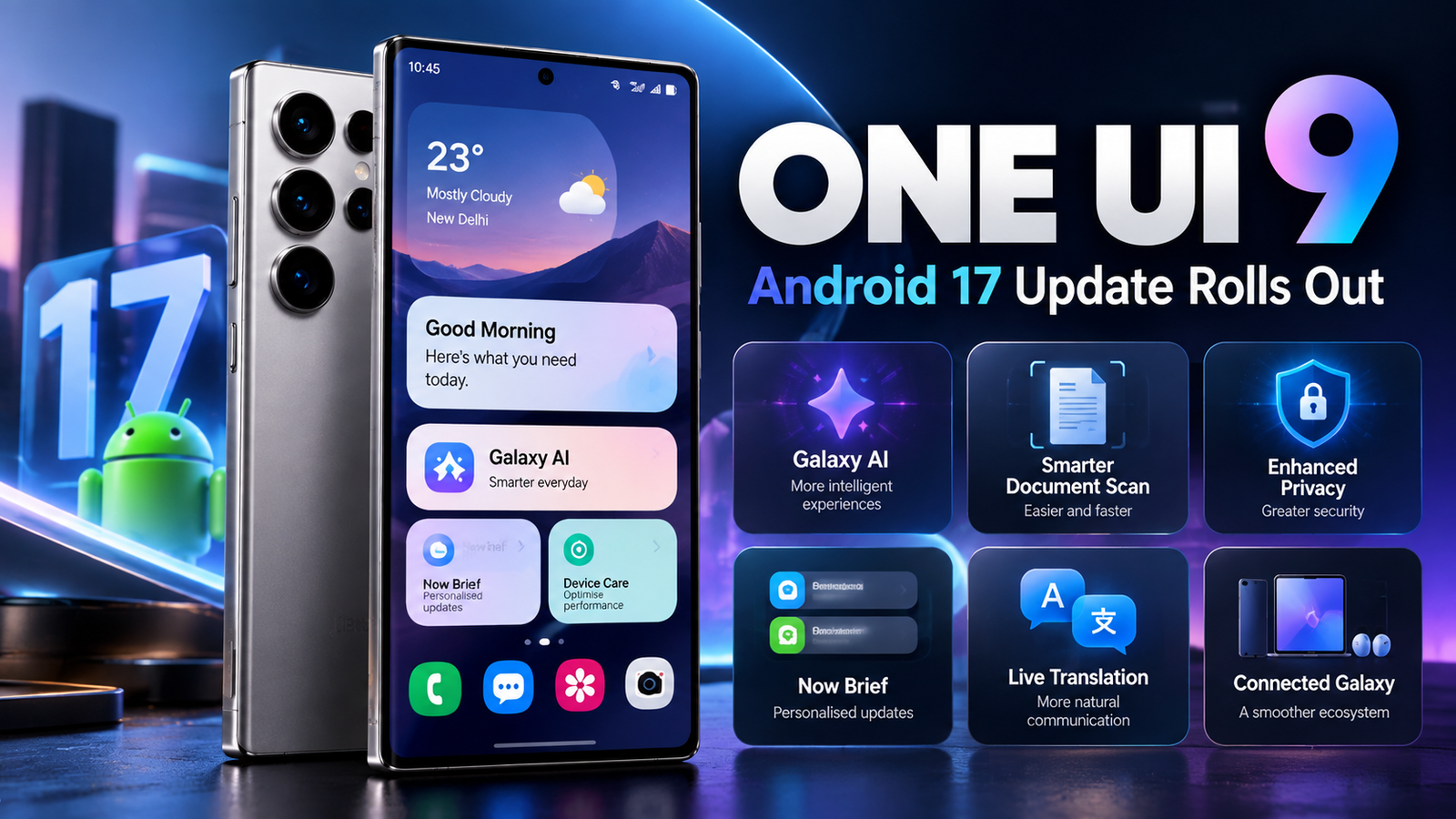
One UI 9: Samsung’s Android 17 Update Rolls Out

One UI 9 is rolling out with Android 17, Galaxy AI upgrades, privacy tools and new features. Here’s the latest Samsung rollout news and device status. Canon EOS R8 Captures Global Attention in 2026 One UI 9: Samsung’s Android 17 Rollout Gathers Pace Samsung’s One UI 9 rollout is entering an important phase. After months…
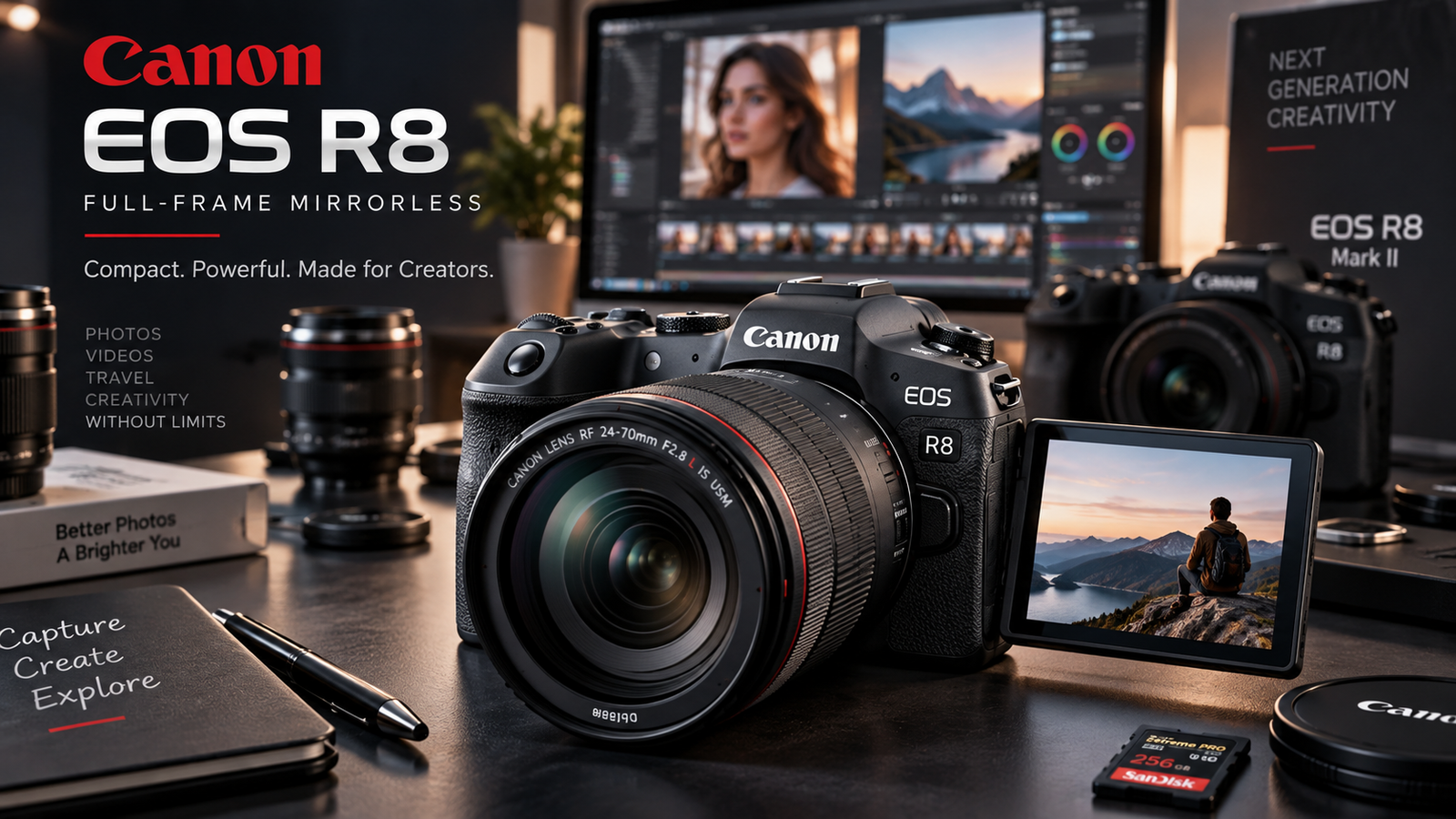
Canon EOS R8 Captures Global Attention in 2026

Canon EOS R8 gets a major 2026 buying boost as the R8 Mark II arrives. Check its price, specs, 4K video, 40fps shooting and latest firmware. Household Electric Fan: The Quiet Shift to BLDC Cooling The Canon EOS R8 has suddenly become a more interesting camera in 2026, not because Canon has quietly replaced it,…
Household Electric Fan: The Quiet Shift to BLDC Cooling
A household electric fan is getting smarter in 2026, with BLDC motors, battery backup and better efficiency reshaping how Indian homes stay cool. Redmi Note 17 Pro Max: 10,000mAh Battery Changes Game Household Electric Fan: The Quiet Shift to BLDC Cooling The humble household electric fan is going through a surprisingly important transformation. For decades,…

Pingback: 🔵 Bluetooth 2026: The Invisible Tech Powering AI Audio, Smart Devices & Next-Gen Connectivity