
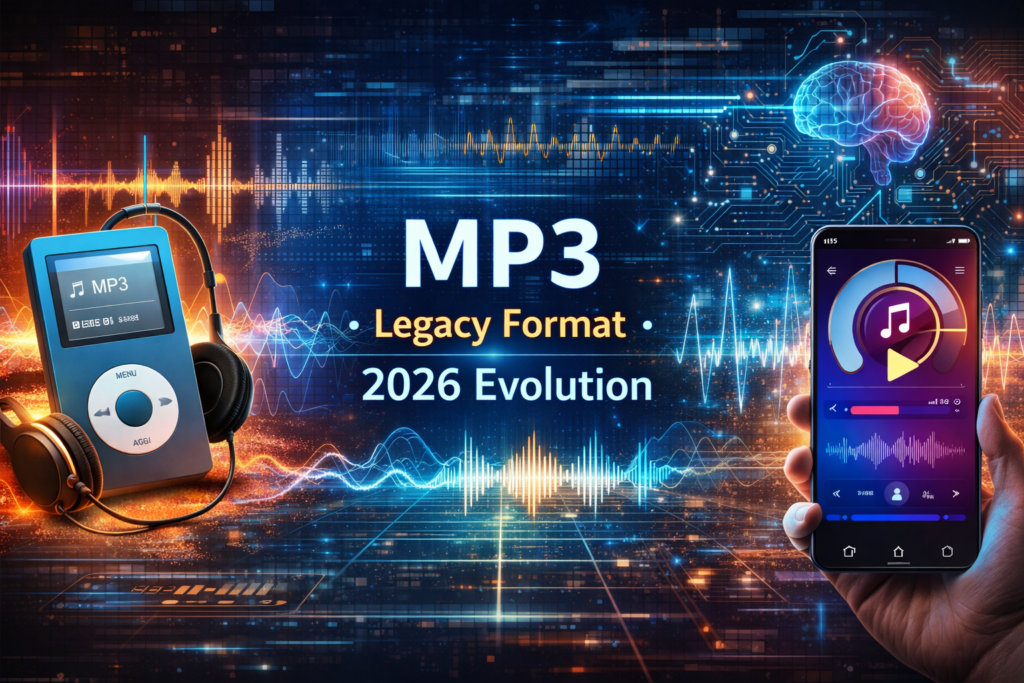
MP3 continues to survive in 2026 despite AI audio, streaming dominance, and new codecs. Explore latest MP3 trends, innovations, and future relevance.
VPN 2026: Privacy Shield or Surveillance Risk? The New Battleground of Digital Freedom
Introduction: Why MP3 Still Matters in 2026
The MP3 format, once the backbone of the digital music revolution, is now navigating a complex landscape shaped by streaming, AI audio, and next-gen codecs. While many predicted its demise, recent developments suggest a different reality—MP3 is not dead; it’s evolving into a niche yet resilient format.
The Rise of MP3
The MP3 format (MPEG Audio Layer III) revolutionized music by compressing audio files by up to 95%, making digital music portable and shareable.
Key Milestones:
- 1990s: MP3 enables peer-to-peer sharing (Napster era)
- 2000s: iPod and digital downloads dominate
- 2010s–2020s: Streaming platforms replace downloads
- 2026: MP3 survives as a legacy yet functional format
Despite the expiration of MP3 patents in 2017, the format remains widely supported across devices and software.
Latest News & Developments (2026)
MP3 Is Still Alive After 30 Years
- Reports confirm MP3 is “still thriving” in 2026 despite newer formats
- Continues to be widely used for:
- Offline music storage
- Podcasts and audio downloads
- Low-bandwidth environments
MP3 remains relevant due to universal compatibility and small file size.
New Codecs Threaten MP3’s Dominance
- Emerging formats like Open Audio Codec (OAC) aim to replace MP3 and Opus
- Focus on:
- Better compression efficiency
- Higher audio quality
- AI-ready audio processing
The industry is moving toward next-gen adaptive audio formats.
MP3 Players Are Still in Demand
- Dedicated MP3 players continue to exist in 2026
- Popular among audiophiles and distraction-free listeners
- Support high-resolution formats beyond MP3
MP3 devices are evolving into premium audio players (DAPs).
MP3 vs Modern Audio Formats
- MP3 is a lossy format, meaning it sacrifices audio quality for smaller file size
- Competing formats:
- AAC (better efficiency)
- FLAC (lossless quality)
- Opus (modern streaming codec)
MP3 is no longer the best—but still the most compatible.
Why MP3 Still Survives
Key Advantages:
- Universal compatibility across devices
- Small file sizes ideal for storage and sharing
- Easy encoding using tools like LAME
- Works offline without internet dependency
Limitations:
- Lower audio quality vs lossless formats
- Outdated compression efficiency
- Limited support for advanced audio features
Industry Trends Affecting MP3
Streaming Dominance
- Spotify, Apple Music, and YouTube reduce need for local MP3 files
- Shift from ownership → access model
AI & Adaptive Audio
- New formats support:
- Spatial audio
- AI-enhanced playback
- Personalized sound experiences
Offline & Emerging Markets
- MP3 remains relevant in:
- Low-internet regions
- Offline content distribution
- Education and podcasts
Podcast & Audio Content Growth
- MP3 still widely used for:
- Podcast distribution
- Audio news and learning content
- Simple format ensures cross-platform compatibility
MP3: Opportunities vs Challenges
Opportunities:
- Continued use in offline audio
- Universal compatibility advantage
- Simplicity for creators and users
Challenges:
- Competition from advanced codecs
- Declining relevance in streaming era
- Perception as “outdated technology”
Future Outlook: Will MP3 Survive?
Likely Scenario:
- MP3 will not disappear—but will become:
- A legacy format
- A backup/compatibility standard
- A lightweight audio solution
Emerging formats may dominate high-end use cases, but MP3’s simplicity ensures its survival.
Disclaimer: This image is a conceptual and illustrative representation created for informational and promotional purposes only. The devices, audio interfaces, and visual elements depicted may not reflect actual products, software, or real-world implementations of MP3 (MPEG Audio Layer III) technology. Any resemblance to specific brands, applications, or services is purely coincidental. This content is not affiliated with, endorsed by, or sponsored by any audio technology company or organization.
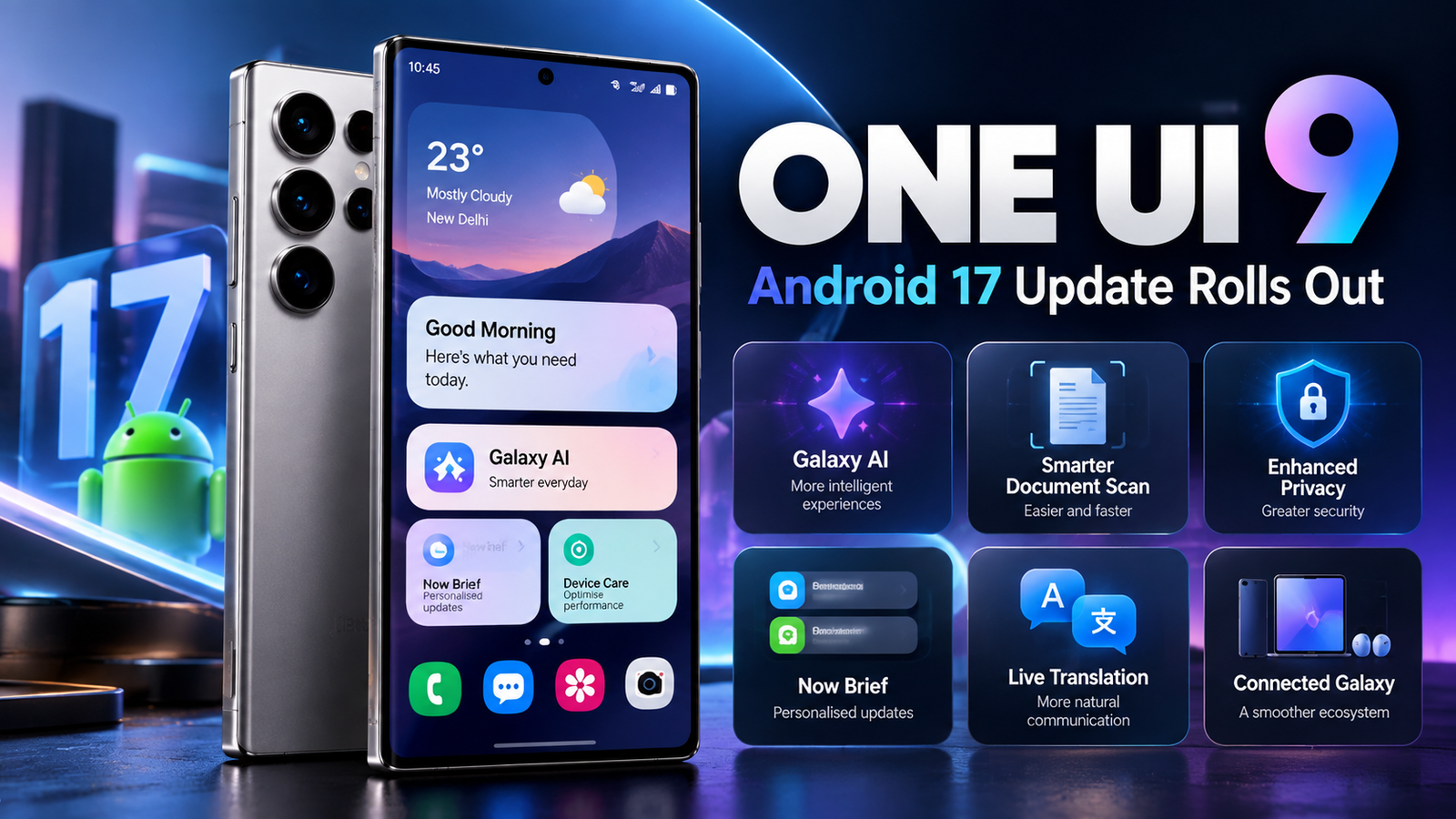
One UI 9: Samsung’s Android 17 Update Rolls Out

One UI 9 is rolling out with Android 17, Galaxy AI upgrades, privacy tools and new features. Here’s the latest Samsung rollout news and device status. Canon EOS R8 Captures Global Attention in 2026 One UI 9: Samsung’s Android 17 Rollout Gathers Pace Samsung’s One UI 9 rollout is entering an important phase. After months…
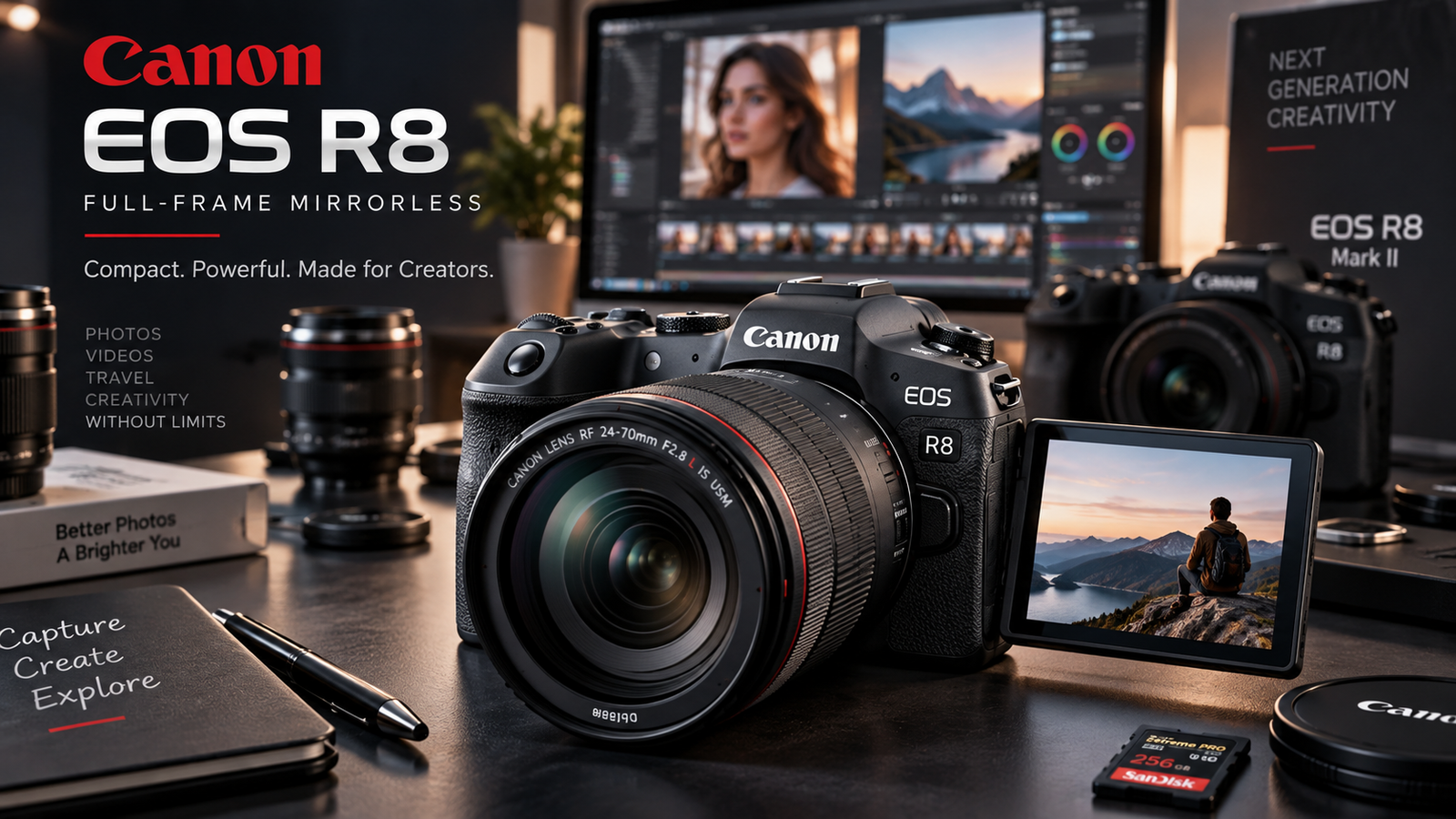
Canon EOS R8 Captures Global Attention in 2026

Canon EOS R8 gets a major 2026 buying boost as the R8 Mark II arrives. Check its price, specs, 4K video, 40fps shooting and latest firmware. Household Electric Fan: The Quiet Shift to BLDC Cooling The Canon EOS R8 has suddenly become a more interesting camera in 2026, not because Canon has quietly replaced it,…
Household Electric Fan: The Quiet Shift to BLDC Cooling
A household electric fan is getting smarter in 2026, with BLDC motors, battery backup and better efficiency reshaping how Indian homes stay cool. Redmi Note 17 Pro Max: 10,000mAh Battery Changes Game Household Electric Fan: The Quiet Shift to BLDC Cooling The humble household electric fan is going through a surprisingly important transformation. For decades,…



Pingback: 🔍 Facial Recognition in 2026: Innovation vs Surveillance — Who Really Controls Your Face Data?