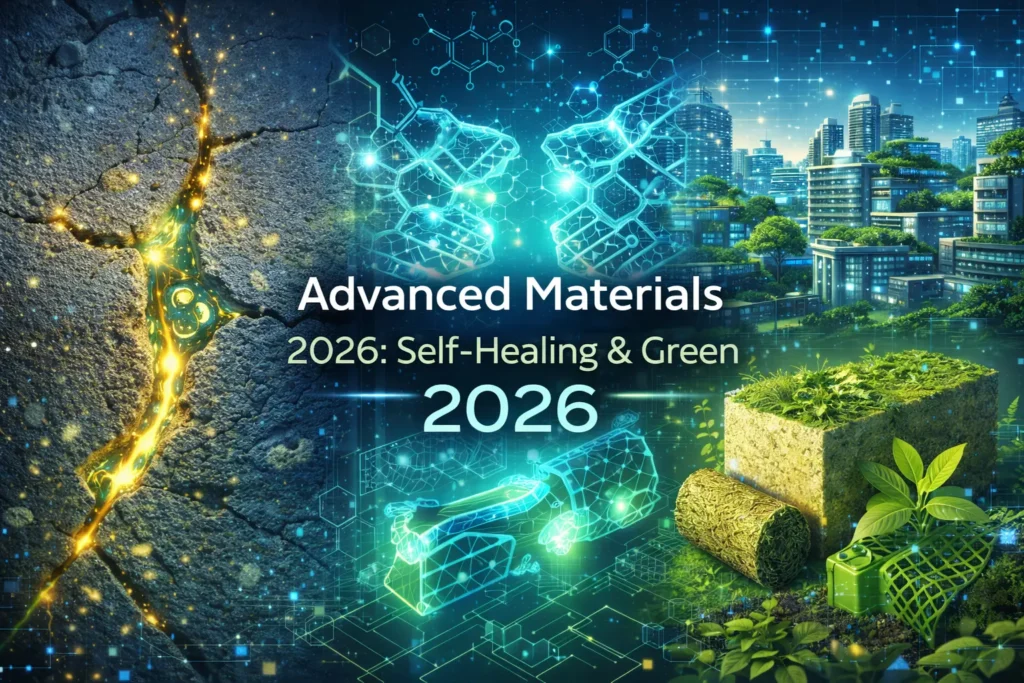
Explore Advanced Materials (Self-Healing & Green) in 2026, including latest innovations, sustainable breakthroughs, and industry impact.
Modular and Offsite Construction 2026 Trends
🚀 Latest News on Advanced Materials (Self-Healing & Green)
The Advanced Materials (Self-Healing & Green) sector is experiencing rapid innovation in 2026, driven by sustainability goals and next-generation engineering.
Key breakthroughs:
- Scientists are developing self-healing concrete using bacteria, enabling cracks to repair themselves and reducing environmental impact from cement production.
- Aerospace researchers are building self-repairing composites that can detect and fix structural damage automatically, improving durability and safety.
- Indian researchers have created room-temperature self-healing polymers for EVs and aerospace, reducing maintenance and material waste.
👉 The shift is clear: materials are evolving from passive structures to active, intelligent systems.
🧠What Are Advanced Materials?
Advanced Materials (Self-Healing & Green) combine two major innovations:
🔧 Self-Healing Materials
Materials designed to repair damage automatically, extending lifespan and reducing maintenance.
- Intrinsic healing: molecular bonds reform
- Extrinsic healing: embedded agents repair cracks
🌱 Green Materials
Environmentally sustainable materials that:
- Reduce carbon footprint
- Use renewable or recycled inputs
- Improve energy efficiency
👉 Together, they enable durability + sustainability.
⚙️ Key Trends in 2026
1. Bio-Inspired Self-Healing Systems
Researchers are mimicking nature:
- Bacteria-based concrete
- Polymer networks that regenerate
👉 These systems significantly extend infrastructure lifespan.
2. Smart Polymers & Composites
New materials can:
- Heal thousands of times
- Maintain structural strength
A 2026 study showed composites capable of over 1,000 repair cycles, dramatically increasing durability.
3. Rapid Market Growth
- Self-healing materials market expected to reach $24+ billion by 2035
- Self-healing polymers projected to grow at 20%+ CAGR
👉 Demand is driven by:
- Infrastructure longevity
- Reduced maintenance costs
- Sustainability goals
4. Green & Sustainable Material Innovation
Advanced materials now focus on:
- Low-carbon concrete
- Bio-based polymers
- Recyclable composites
👉 These reduce global emissions and waste.
5. Integration with Smart Technologies
Materials are being combined with:
- Sensors
- AI systems
- IoT monitoring
👉 Result: self-aware materials that detect and repair damage autonomously.
🏢 Real-World Applications
🏗️ Construction
- Self-healing concrete reduces cracks and repairs
- Green materials lower carbon footprint
🚗 Automotive & EVs
- Scratch-resistant coatings
- Impact-healing polymers
✈️ Aerospace
- Self-repairing composites
- Longer-lasting structural components
🔋 Electronics & Energy
- Flexible, repairable devices
- Self-healing batteries and solar cells
📊 Why It Matters in 2026
Advanced materials are critical because they:
✔ Extend product lifespan
✔ Reduce maintenance costs
✔ Minimize environmental impact
✔ Enable smarter infrastructure
👉 They are becoming the foundation of sustainable engineering.
⚠️ Challenges & Limitations
💰 High Development Costs
- R&D and scaling challenges
⚙️ Commercialization Barriers
- Limited large-scale deployment
🔬 Technical Complexity
- Balancing strength, flexibility, and healing
🌍 Standardization Issues
- Lack of global material standards
📈 Future Outlook
By 2030 and beyond:
- Fully autonomous self-healing infrastructure
- Net-zero carbon materials
- AI-integrated smart materials
👉 Advanced materials will redefine industries from construction to space exploration.
🏁 Final Verdict
The rise of Advanced Materials (Self-Healing & Green) represents a paradigm shift:
✔ From static → adaptive materials
✔ From waste → sustainability
✔ From repair → self-repair
In 2026, these materials are not just innovations—they are key enablers of a resilient and sustainable future.
Disclaimer : The information provided in this article about Advanced Materials (Self-Healing & Green) is based on publicly available data, research insights, and emerging technological trends as of 2026. As material science continues to advance rapidly, innovations, applications, and performance capabilities may evolve over time. This content is intended for informational and educational purposes only and should not be considered as scientific, engineering, or investment advice. Readers are encouraged to consult official research publications, industry experts, and professional institutions for the most accurate and up-to-date information. The author and publisher are not responsible for any inaccuracies, omissions, or outcomes resulting from the use or interpretation of the information presented in this article.
-
☀️ Solar Roads 2026: Breakthrough or Bottleneck?

Discover Solar roads in 2026, including latest innovations, real-world deployments, challenges, and future potential of solar-powered highways. Advanced Materials 2026: Self-Healing & Green 🚀 Latest News on Solar Roads The Solar roads industry has entered a new phase in 2026, marked by tangible deployments and continued experimentation: 👉 This signals a transition from hype to…
-
🧪 Advanced Materials 2026: Self-Healing & Green
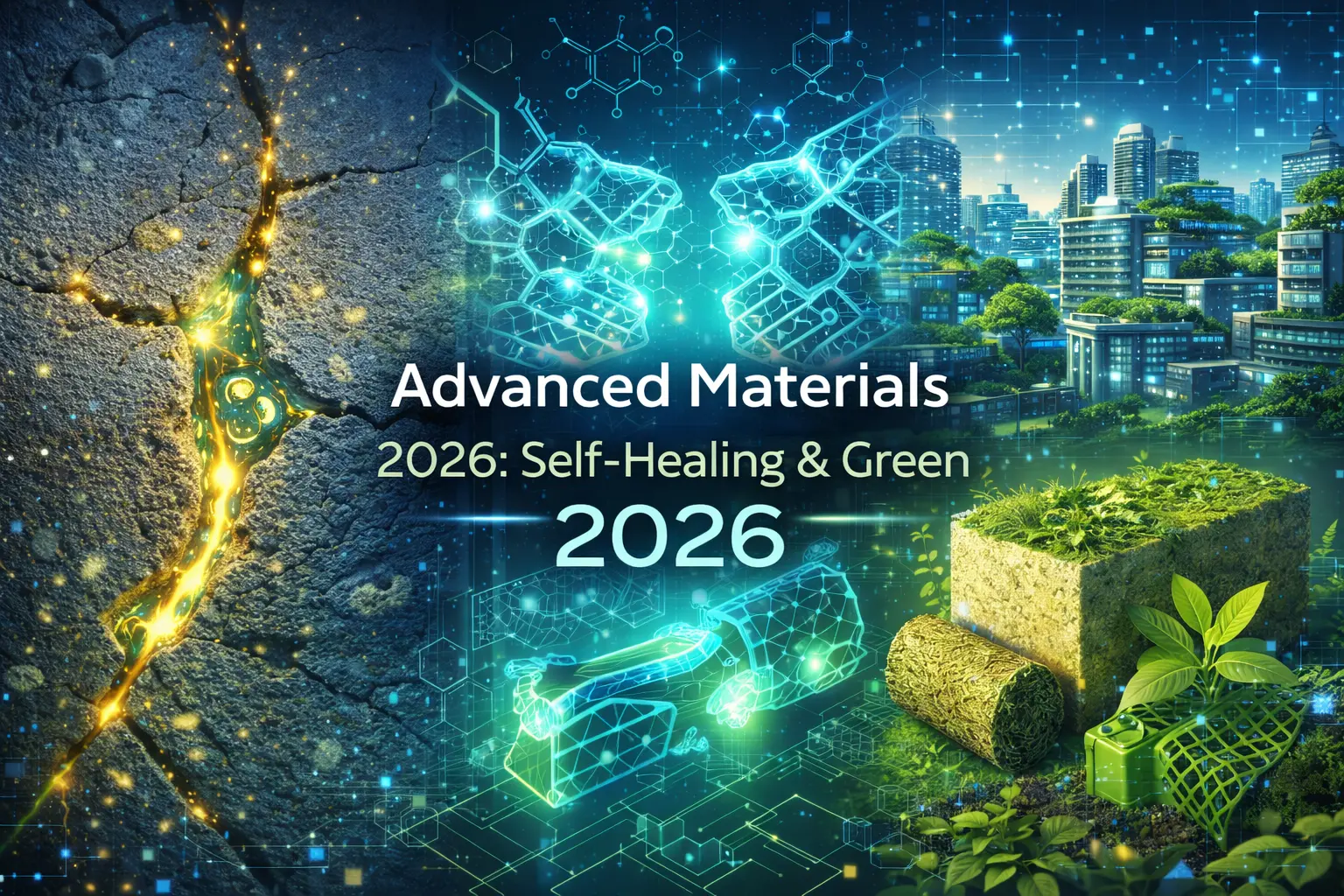
Explore Advanced Materials (Self-Healing & Green) in 2026, including latest innovations, sustainable breakthroughs, and industry impact. Modular and Offsite Construction 2026 Trends 🚀 Latest News on Advanced Materials (Self-Healing & Green) The Advanced Materials (Self-Healing & Green) sector is experiencing rapid innovation in 2026, driven by sustainability goals and next-generation engineering. Key breakthroughs: 👉 The…
-
🏗️ Modular and Offsite Construction 2026 Trends
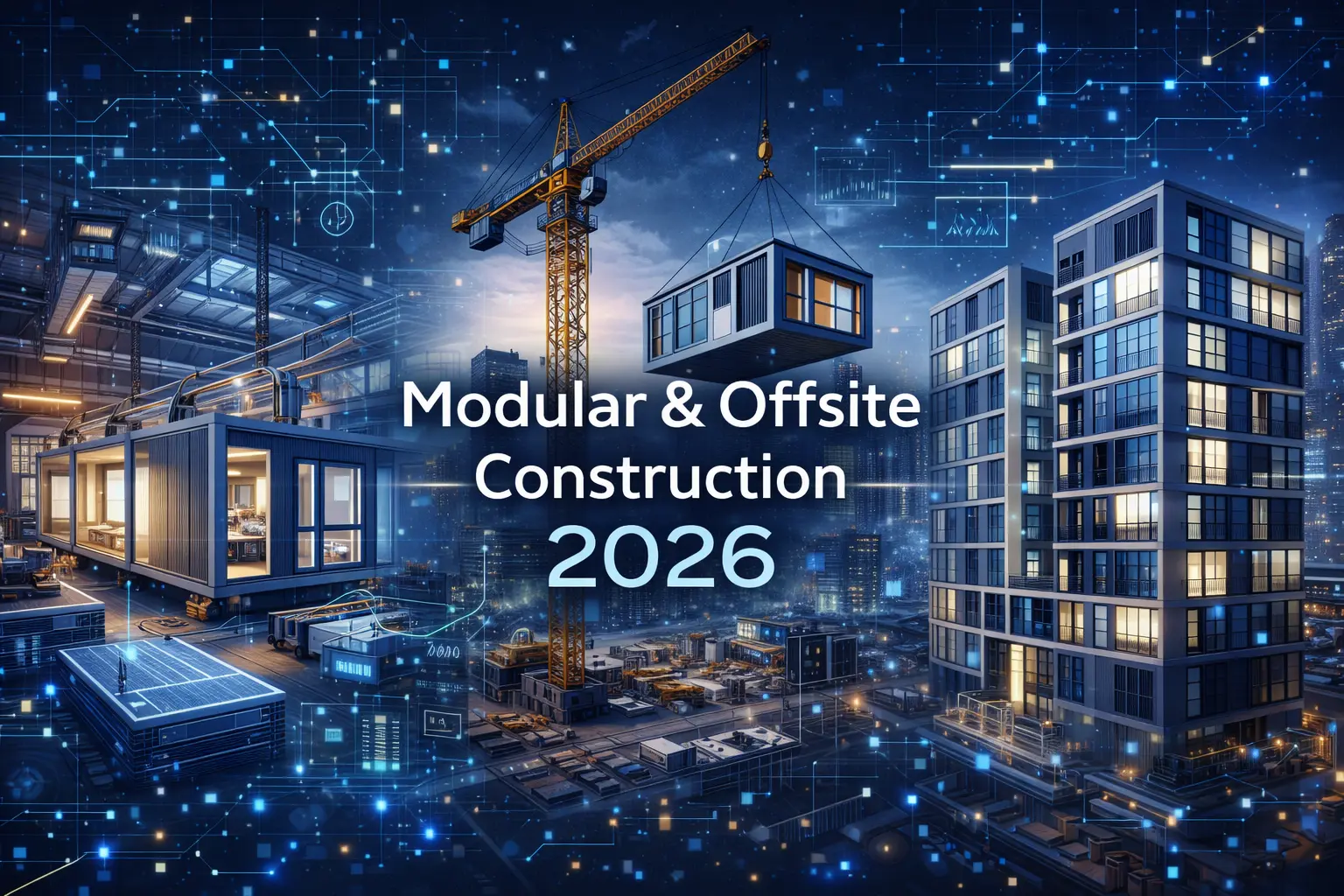
Explore Modular and Offsite Construction Technology, including latest trends, innovations, benefits, and how it is transforming the global construction industry Internet of Things (IoT) and Smart Sensors 2026 🚀 Latest News on Modular and Offsite Construction Technology The Modular and Offsite Construction Technology sector is witnessing rapid transformation in 2026, driven by automation, housing demand,…