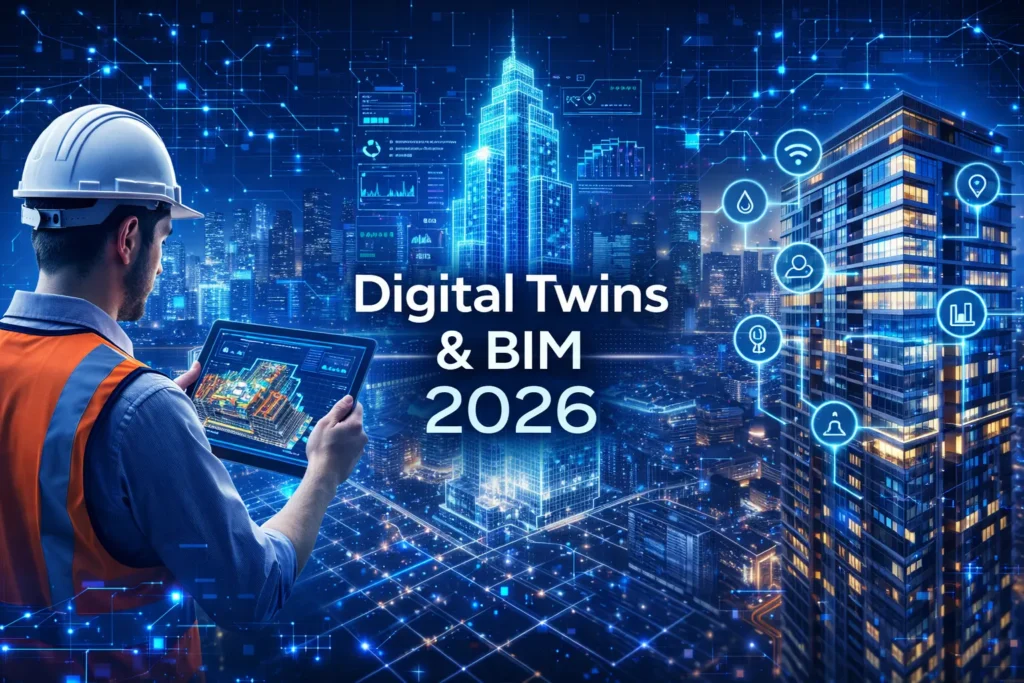
Explore Digital Twins and Building Information Modeling (BIM) in 2026, including latest trends, real-world applications, and future of smart construction.
Artificial Intelligence (AI) and Agentic AI 2026
🚀 Latest News on Digital Twins and Building Information Modeling (BIM)
The Digital Twins and Building Information Modeling (BIM) ecosystem is rapidly transforming the architecture, engineering, and construction (AEC) industry in 2026.
Key latest developments:
- Digital twins are becoming mainstream in construction, integrating real-time cost, schedule, and site data with BIM models.
- BIM is evolving into a full lifecycle digital backbone, connecting planning, design, construction, and operations.
- Scan-to-BIM technologies are now used to create highly accurate digital twins from real-world assets.
- AI and automation are enhancing BIM workflows, enabling predictive analytics and smarter decision-making.
👉 The convergence of BIM + Digital Twins marks a shift from static models to living, data-driven systems.
🧠What Are Digital Twins and BIM?
📊 Building Information Modeling (BIM)
- A data-rich 3D modeling process used in design and construction
- Enables collaboration across stakeholders
- Focuses on planning, coordination, and execution
🌐 Digital Twins
- A real-time virtual replica of a physical asset
- Uses IoT sensors, AI, and analytics
- Extends BIM into operations and lifecycle management
👉 In simple terms:
BIM = Design & Build
Digital Twin = Operate & Optimize
⚙️ Key Trends in 2026
1. Lifecycle Integration
BIM and digital twins now create a continuous data loop across the asset lifecycle:
- Design → Construction → Operation → Maintenance
This ensures better long-term asset performance and cost control.
2. Real-Time Data & Predictive Insights
Digital twins integrate:
- IoT sensors
- Drone and LiDAR data
- Real-time monitoring systems
This allows:
- Predictive maintenance
- Risk mitigation
- Live project tracking
3. AI-Powered BIM Ecosystems
AI is transforming BIM into an intelligent system:
- Automated clash detection
- Smart scheduling
- Cost forecasting
👉 Result: Faster, more accurate project delivery.
4. Smart Cities & Infrastructure
Cities like Singapore and Helsinki are using BIM-driven digital twins to manage:
- Traffic systems
- Energy consumption
- Urban planning
👉 This enables data-driven governance and sustainability.
5. Cloud & Collaborative Platforms
Cloud-based BIM platforms allow:
- Real-time collaboration
- Global project coordination
- Centralized data environments
This is essential for managing complex, multi-stakeholder projects.
🏢 Real-World Applications
🏗️ Construction Projects
- Virtual simulations before physical builds
- Reduced errors and rework
- Improved safety planning
🏢 Smart Buildings
- Energy optimization
- Predictive HVAC maintenance
- Occupant comfort enhancement
🌉 Infrastructure
- Bridges, tunnels, and roads monitored in real time
- Extended asset lifespan
- Reduced downtime
📊 Why This Matters in 2026
The adoption of Digital Twins and BIM is no longer optional:
- Over 70% of major projects require BIM deliverables
- Digital twins are becoming standard in RFPs
- Governments are enforcing ISO-based BIM mandates
👉 The industry is shifting toward:
✔ Data-driven construction
✔ Automation and robotics
✔ Sustainable infrastructure
⚠️ Challenges & Limitations
Despite rapid adoption, challenges remain:
🔒 Data Management
- Massive data volumes require strong governance
💰 High Implementation Costs
- Initial setup can be expensive
👨💻 Skill Gaps
- Need for trained BIM and digital twin professionals
🔗 Interoperability Issues
- Integration between platforms can be complex
📈 Future Outlook
By 2030, experts predict:
- Fully autonomous construction sites
- AI-driven digital twins
- Real-time global infrastructure monitoring
👉 The combination of BIM + Digital Twins will define the future of smart construction and urban development.
🏁 Final Verdict
The rise of Digital Twins and Building Information Modeling (BIM) is fundamentally transforming the built environment:
✔ From static blueprints → dynamic digital ecosystems
✔ From reactive maintenance → predictive intelligence
✔ From siloed workflows → connected data platforms
In 2026, these technologies are not just innovations—they are industry standards shaping the future.
Disclaimer : The information provided in this article about Digital Twins and Building Information Modeling (BIM) is based on publicly available data, industry reports, and emerging technology trends as of 2026. As these technologies continue to evolve rapidly, features, standards, adoption rates, and use cases may change over time. This content is intended for informational and educational purposes only and should not be considered as professional, technical, or investment advice. Readers are encouraged to consult official sources, certified professionals, and technology providers for accurate and up-to-date information. The author and publisher are not responsible for any inaccuracies, omissions, or outcomes resulting from the use or interpretation of the information presented in this article.
-
☀️ Solar Roads 2026: Breakthrough or Bottleneck?

Discover Solar roads in 2026, including latest innovations, real-world deployments, challenges, and future potential of solar-powered highways. Advanced Materials 2026: Self-Healing & Green 🚀 Latest News on Solar Roads The Solar roads industry has entered a new phase in 2026, marked by tangible deployments and continued experimentation: 👉 This signals a transition from hype to…
-
🧪 Advanced Materials 2026: Self-Healing & Green
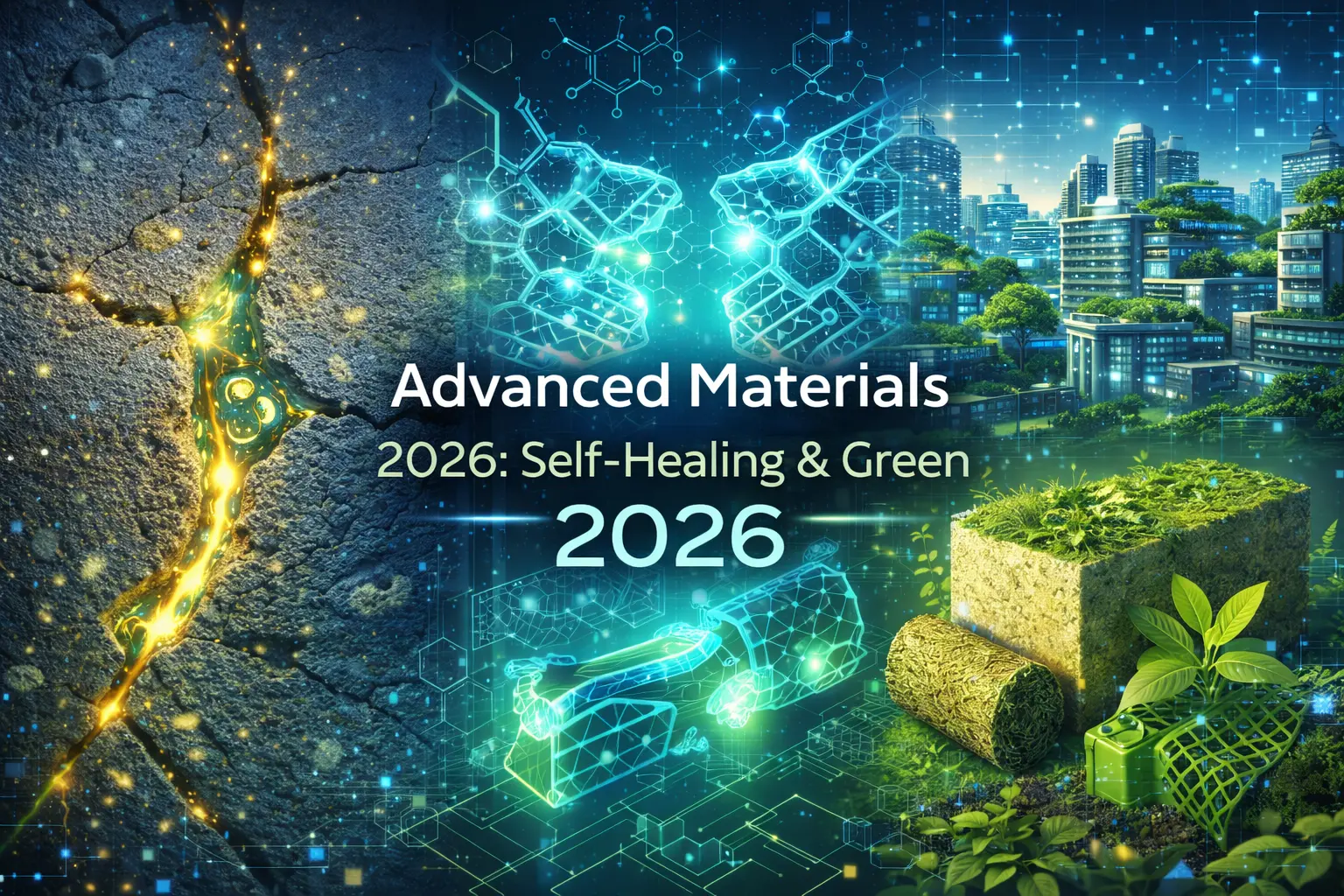
Explore Advanced Materials (Self-Healing & Green) in 2026, including latest innovations, sustainable breakthroughs, and industry impact. Modular and Offsite Construction 2026 Trends 🚀 Latest News on Advanced Materials (Self-Healing & Green) The Advanced Materials (Self-Healing & Green) sector is experiencing rapid innovation in 2026, driven by sustainability goals and next-generation engineering. Key breakthroughs: 👉 The…
-
🏗️ Modular and Offsite Construction 2026 Trends
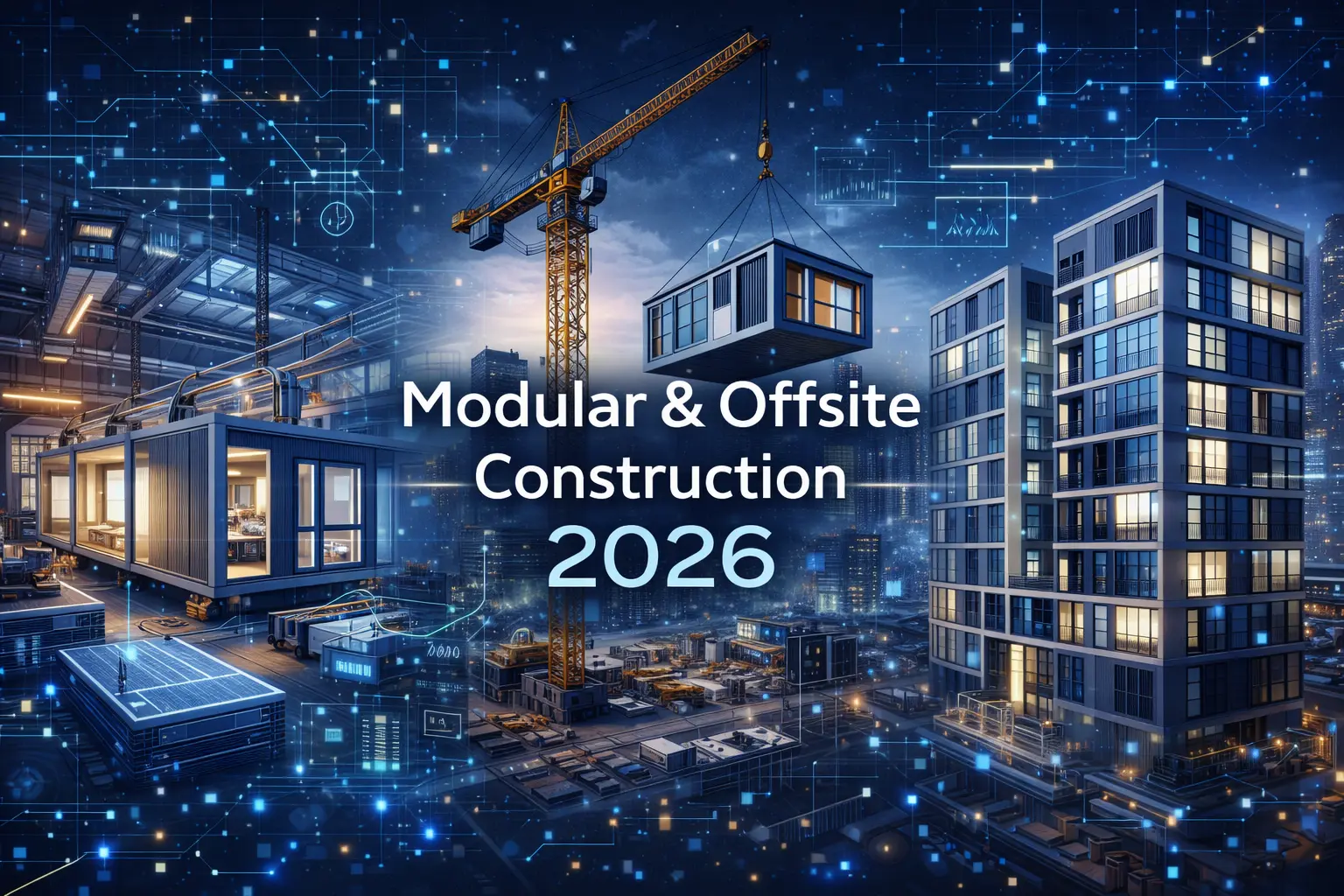
Explore Modular and Offsite Construction Technology, including latest trends, innovations, benefits, and how it is transforming the global construction industry Internet of Things (IoT) and Smart Sensors 2026 🚀 Latest News on Modular and Offsite Construction Technology The Modular and Offsite Construction Technology sector is witnessing rapid transformation in 2026, driven by automation, housing demand,…