
Discover how AI-Native Development Platforms are transforming software engineering with faster delivery, intelligent automation, and agent-driven development.
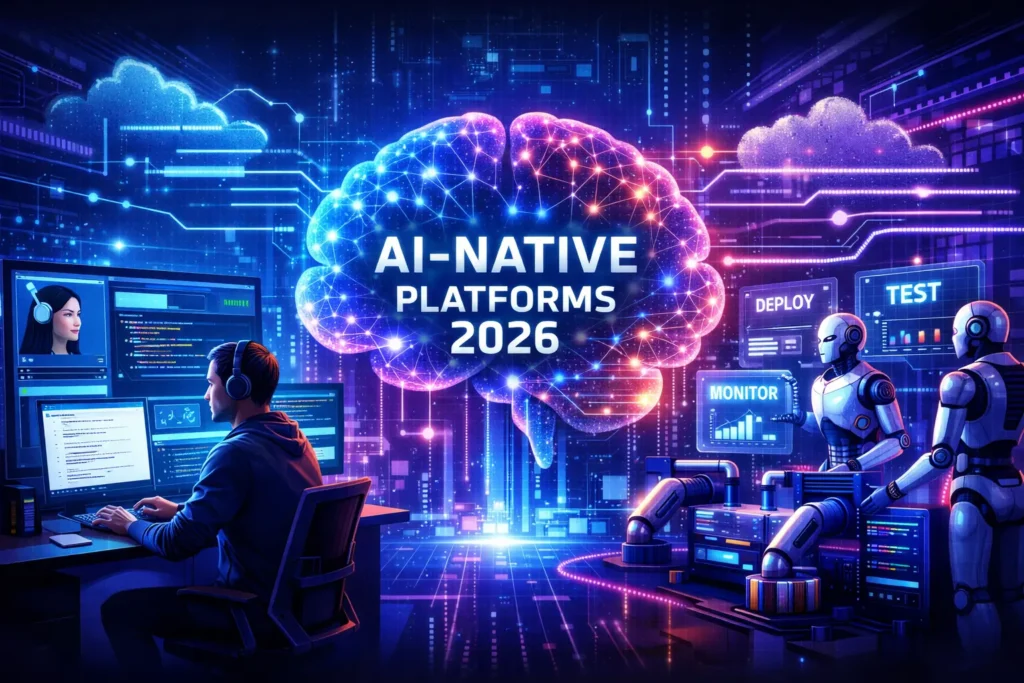
Gen AI 2026: Automation, Agents & Industry Shift
🚀 The Rise of AI-Native Development Platforms
The software industry is undergoing a structural shift in 2026—and at the center of it are AI-Native Development Platforms. These platforms are not just tools; they represent a fundamental re-architecture of how software is built, deployed, and maintained.
According to recent industry insights, AI is no longer an add-on but the core backbone of enterprise systems, redefining development workflows, infrastructure, and team structures.
📊 From AI-Assisted to AI-Native
Traditionally, developers used AI as a helper—think code suggestions or debugging tools. But AI-native platforms flip this model entirely.
- AI becomes the primary execution layer
- Applications are designed with AI at the core, not retrofitted later
- Development evolves from coding to orchestrating intelligent systems
Industry analysts highlight that AI-Native Development Platforms empower small, agile teams to build enterprise-grade applications rapidly.
This paradigm shift aligns with broader trends where AI-native applications dominate future software ecosystems, integrating intelligent APIs, context-aware interfaces, and autonomous logic.
🧠 What Are AI-Native Development Platforms?
AI-Native Development Platforms are environments where:
- AI models are embedded into the core architecture
- Development includes prompt engineering, orchestration, and validation
- Systems leverage LLMs, vector databases, and agent frameworks
Key capabilities include:
- Automated code generation and testing
- AI-driven architecture recommendations
- Intelligent debugging and optimization
- Continuous learning systems
Developers are no longer just coders—they become system orchestrators and AI supervisors.
⚡ Key Trends Driving AI-Native Platforms in 2026
1. Agentic Software Development
AI agents now plan, execute, test, and iterate with minimal human input. This shift marks a transition from copilots to fully autonomous development systems.
2. AI as Enterprise Infrastructure
AI is becoming embedded across every layer of enterprise architecture, moving from experimentation to mission-critical systems.
3. Convergence of Data & AI Engineering
Platforms like Snowflake Cortex and Databricks Mosaic AI are merging data pipelines with AI workflows, enabling real-time intelligent applications.
4. Rise of Low-Code / No-Code AI Development
AI-native platforms democratize development, allowing even non-developers to build applications using natural language and automation.
5. AI-Driven SDLC Automation
The software development lifecycle is evolving into an autonomous system, where AI handles testing, deployment, and monitoring.
📰 Latest News Shaping AI-Native Platforms (2026)
- Enterprises are rapidly integrating AI into daily workflows, with AI agents acting as digital coworkers embedded in applications.
- New open-source models like Google’s Gemma 4 are making AI more accessible and scalable across devices, accelerating platform adoption.
- However, rapid AI-driven development is creating a “quality challenge”, requiring new validation and governance frameworks.
- Infrastructure innovations are enabling hybrid AI-native environments, blending legacy systems with modern AI workloads.
🏗️ Enterprise Adoption: Why Businesses Are Investing
Organizations are increasingly investing in AI-native platforms because they deliver:
- Faster time-to-market through automation
- Reduced development costs via AI-generated code
- Higher productivity with intelligent workflows
- Scalable architectures powered by AI
Strategic collaborations—such as partnerships to accelerate AI-native software delivery—highlight how enterprises are prioritizing governance, reliability, and speed simultaneously.
Additionally, AI-native companies are gaining competitive advantage through specialized, industry-specific AI capabilities and flexible business models.
⚠️ Challenges & Risks
Despite rapid adoption, AI-Native Development Platforms face key challenges:
- Trust & reliability issues in AI-generated code
- Security and data privacy concerns
- Governance gaps in AI workflows
- High failure rates for poorly implemented AI projects
Experts warn that success depends not just on adopting AI—but on integrating it responsibly within workflows and systems.
🔮 Future Outlook: The AI-Native Era
Looking ahead, AI-Native Development Platforms will:
- Become the default standard for software development
- Enable multi-agent ecosystems collaborating autonomously
- Redefine developer roles into AI strategists and architects
- Power fully autonomous software factories
By 2026 and beyond, the question is no longer whether to adopt AI—but how deeply it is embedded into your development DNA.
Disclaimer : The information provided in this article is for informational and educational purposes only. While every effort has been made to ensure accuracy and relevance, the content reflects general industry trends and publicly available insights as of 2026. It does not constitute professional, financial, or technical advice. Readers are encouraged to conduct their own research and consult with qualified professionals before making any business, technology, or investment decisions based on the information presented. The author and publisher are not responsible for any losses, damages, or outcomes resulting from the use or reliance on this content. All trademarks, brand names, and technologies mentioned are the property of their respective owners.
-
🚙 MG Majestor: India’s Next Big SUV Challenger?
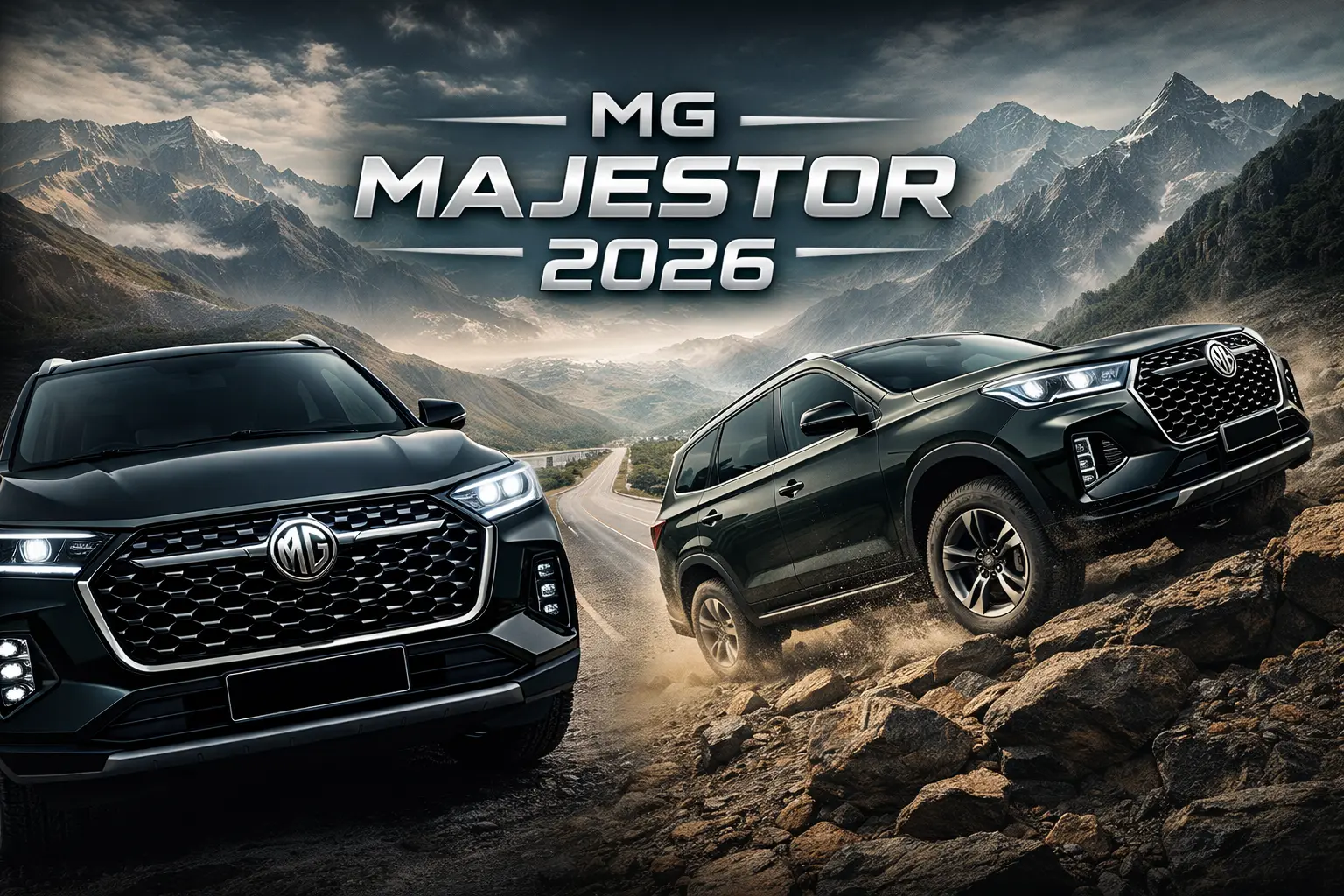
MG Majestor debuts as a premium SUV in India with bold design, 4×4 capability, and advanced tech. Check price, features, and launch details. OPPO F33 Set to Launch with 50MP Selfie Power 📰 Latest News Overview The mg majestor is making headlines as one of the most anticipated premium SUVs in India for 2026. Positioned…
-
🧮 Calculator 2026: Smart Tech Meets Classic Tools

Calculator industry 2026 sees AI integration, smart tools, and steady growth. Explore trends, market insights, and future innovations. Elevator 2026: Smart Tech Transforming Cities 🔥 Calculator Industry 2026: Latest News & Insights The calculator industry in 2026 is experiencing a unique transformation—balancing traditional hardware demand with rapid AI-driven innovation. Despite the dominance of smartphones and…
-
🏢 Elevator 2026: Smart Tech Transforming Cities
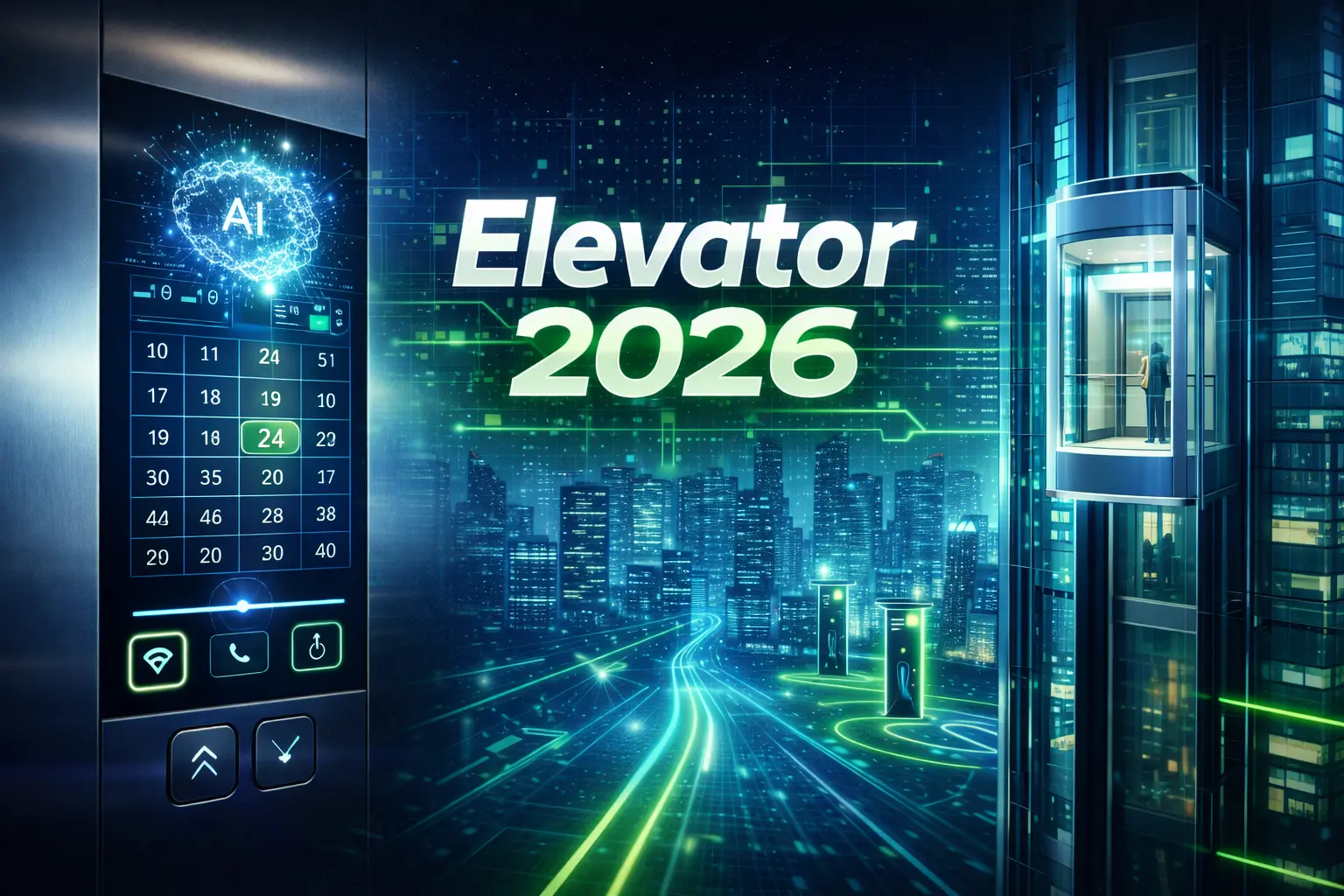
Elevator industry 2026 sees AI, smart systems, and rapid growth. Explore latest trends, technology, and future of vertical mobility. Volkswagen Taigun 2026 Facelift Unveiled 🔥 Elevator Industry 2026: Latest News & Insights The global elevator industry is undergoing a major transformation in 2026, driven by AI integration, urbanization, and smart building technologies. The global elevators…