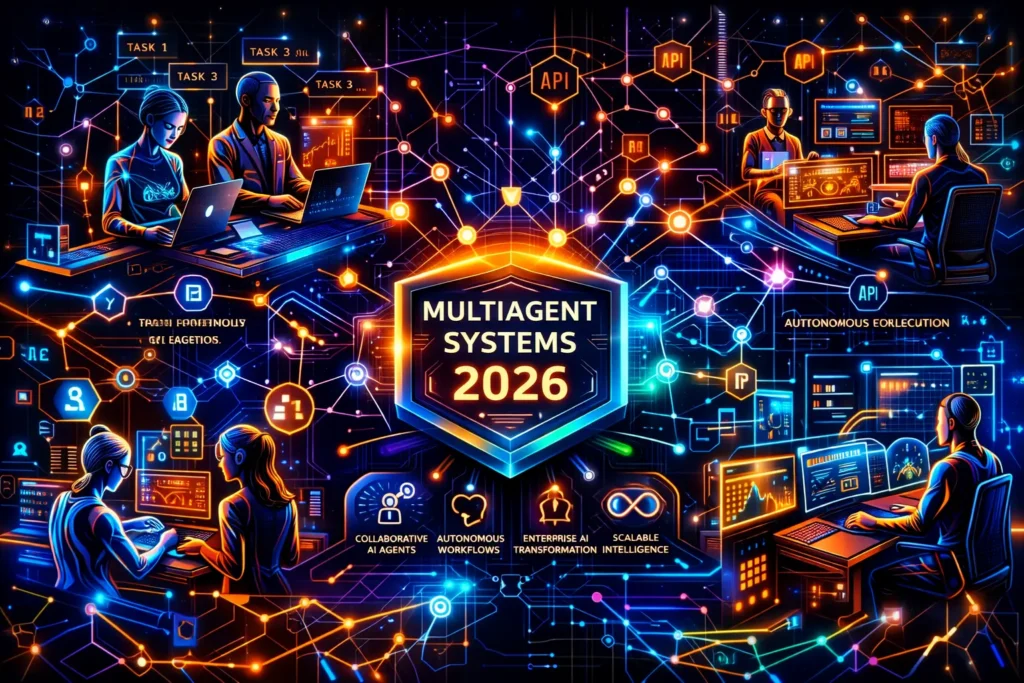
Multiagent Systems are transforming AI in 2026 by enabling collaborative, autonomous agents that execute complex workflows across enterprises and industries.
Confidential Computing Securing AI in 2026
🚀 The Rise of Multiagent Systems
In 2026, Multiagent Systems are emerging as the next major evolution in artificial intelligence. Moving beyond single AI assistants, organizations are deploying networks of intelligent agents that collaborate, specialize, and execute complex workflows autonomously.
Industry momentum shows that AI is shifting from tools to coordinated systems of agents working together like digital teams, redefining enterprise operations and productivity.
📰 Latest News Shaping Multiagent Systems (2026)
- Enterprises are embedding AI agents as digital coworkers, with many applications now integrating task-specific agents into workflows.
- The launch of AI agent standards initiatives highlights growing concerns around governance, identity, and security in multi-agent ecosystems.
- Adoption is accelerating rapidly, with organizations deploying interconnected agent systems to automate decision-making and operations.
- Multiagent orchestration is becoming a core enterprise architecture, enabling scalable and intelligent workflow automation.
📊From AI Tools to AI Teams
Historically, AI systems operated as standalone tools. Today, Multiagent Systems represent a paradigm shift:
- Single AI → Task-specific assistants
- Multiagent systems → Collaborative AI ecosystems
These systems consist of multiple AI agents that:
- Share context and data
- Delegate tasks dynamically
- Execute multi-step workflows
For example, in software development, one agent gathers requirements, another writes code, a third tests, and a fourth deploys—all autonomously.
🧠 What Are Multiagent Systems?
A Multiagent System is a network of autonomous AI agents that interact and collaborate to achieve complex goals.
Key characteristics:
- Specialization: Each agent performs a specific role
- Coordination: Agents communicate and share tasks
- Autonomy: Minimal human intervention required
- Scalability: Systems expand by adding more agents
These systems are essentially distributed intelligence frameworks, where multiple agents collectively solve problems beyond the capability of a single AI model.
⚡ Key Trends Driving Multiagent Systems in 2026
1. Agentic Enterprise Transformation
Organizations are adopting agent-based workflows, where AI systems handle end-to-end processes rather than isolated tasks.
2. Specialized Agent Architectures
Instead of one general AI, enterprises deploy multiple specialized agents, improving accuracy and efficiency.
3. AI Orchestration Platforms
New platforms enable coordination between agents, ensuring smooth task delegation and execution across systems.
4. Multi-Agent Collaboration at Scale
Research shows that properly orchestrated systems can deliver 3x faster task completion and higher accuracy in complex workflows.
5. Integration with Enterprise Data Platforms
Companies are building agent-ready data ecosystems, enabling large-scale deployment of multi-agent AI applications.
🏗️ Enterprise Impact: Why Multiagent Systems Matter
Businesses adopting Multiagent Systems gain:
- End-to-end workflow automation
- Higher operational efficiency and speed
- Reduced dependency on manual processes
- Scalable AI-driven decision-making
Industries leading adoption:
- Software development (automated SDLC)
- Finance (risk analysis and compliance)
- Customer service (AI agent ecosystems)
- Marketing (autonomous campaign execution)
Multiagent systems are effectively transforming organizations into AI-native enterprises.
⚠️ Challenges & Risks
Despite their potential, Multiagent Systems face critical challenges:
- Coordination failures between agents
- Governance and accountability gaps
- Security risks in agent interactions
- Performance limitations in complex tasks
Studies show that poorly coordinated multi-agent setups can lead to task duplication, inefficiency, and decision conflicts.
Additionally, scaling agent systems requires advanced orchestration, monitoring, and policy frameworks.
🔮 Future Outlook: The Age of Autonomous AI Teams
The future of Multiagent Systems will be defined by:
- Fully autonomous AI organizations
- Cross-enterprise agent collaboration
- Standardized agent communication protocols
- Self-improving AI ecosystems
Experts predict that Multiagent Systems will become the default architecture for enterprise AI, replacing monolithic AI models with distributed, collaborative intelligence.
Disclaimer : The information provided in this article is for informational and educational purposes only. While every effort has been made to ensure accuracy and relevance, the content reflects general industry trends and publicly available insights as of 2026. Given the rapidly evolving nature of Multiagent Systems and artificial intelligence technologies, developments may change without prior notice. This article does not constitute professional, technical, financial, or legal advice. Readers are encouraged to conduct their own research and consult qualified experts before making any decisions related to AI adoption, business strategy, or technology investments. The author and publisher are not responsible for any direct or indirect losses, damages, or consequences resulting from the use of or reliance on the information presented. All trademarks, product names, and company names mentioned are the property of their respective owners.
-
Preemptive Cybersecurity 2026: Stop Threats Before They Strike

Preemptive Cybersecurity is transforming digital defense by predicting, preventing cyberattacks before they happen. Explore trends, strategies, future insights. Physical AI: The Next Frontier of Intelligent Machines Introduction: The Shift to Preemptive Cybersecurity Cybersecurity in 2026 is undergoing a fundamental shift—from reactive defense to proactive, predictive protection. Known as Preemptive Cybersecurity, this approach focuses on stopping…
-
Physical AI: The Next Frontier of Intelligent Machines
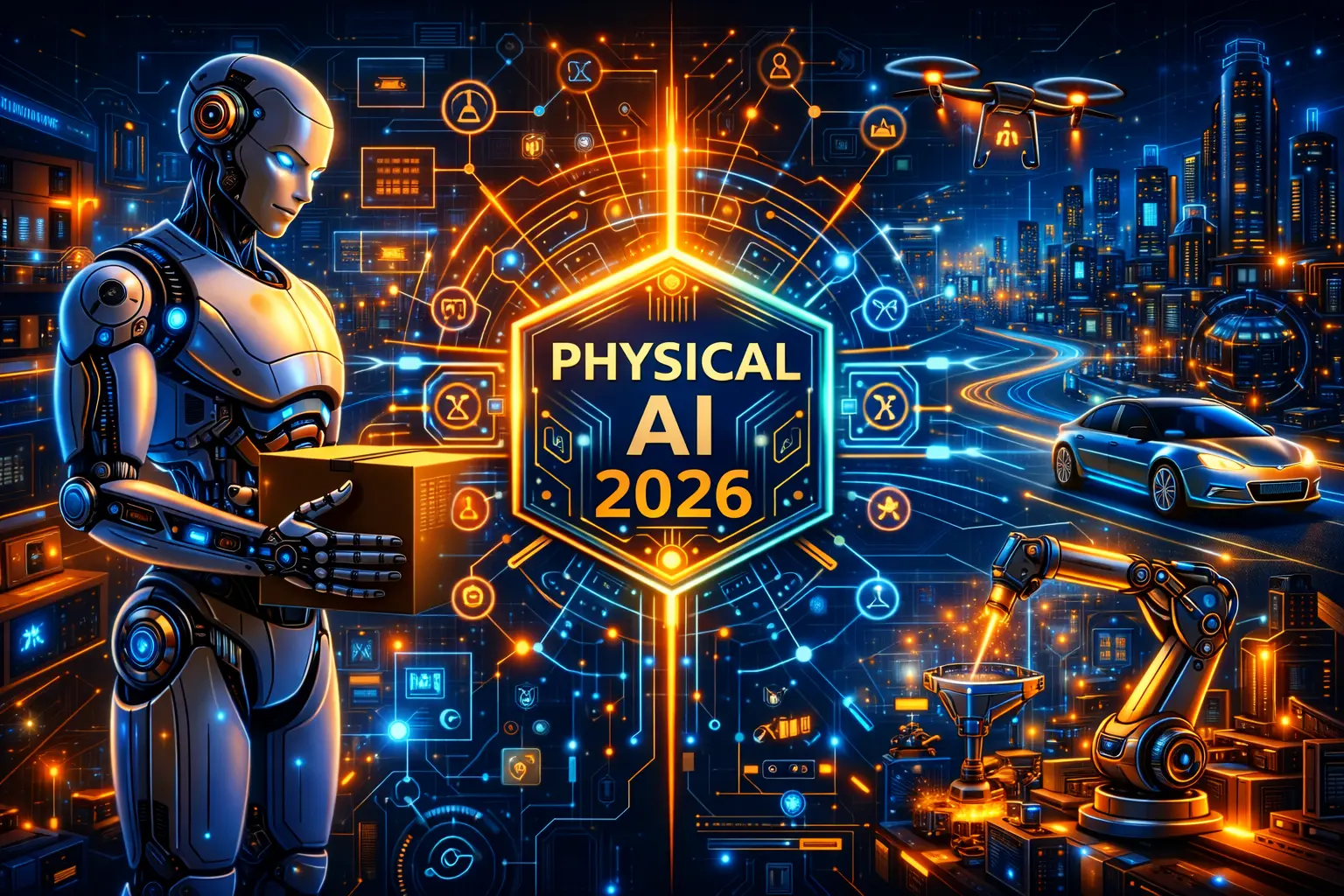
Physical AI is revolutionizing 2026 by enabling machines to interact with the real world through robotics, sensors, and autonomous decision-making systems. Domain-Specific Language Models Transform AI in 2026 🚀 The Rise of Physical AI The AI revolution is no longer confined to screens and software. In 2026, Physical AI is emerging as the next major…
-
Domain-Specific Language Models Transform AI in 2026
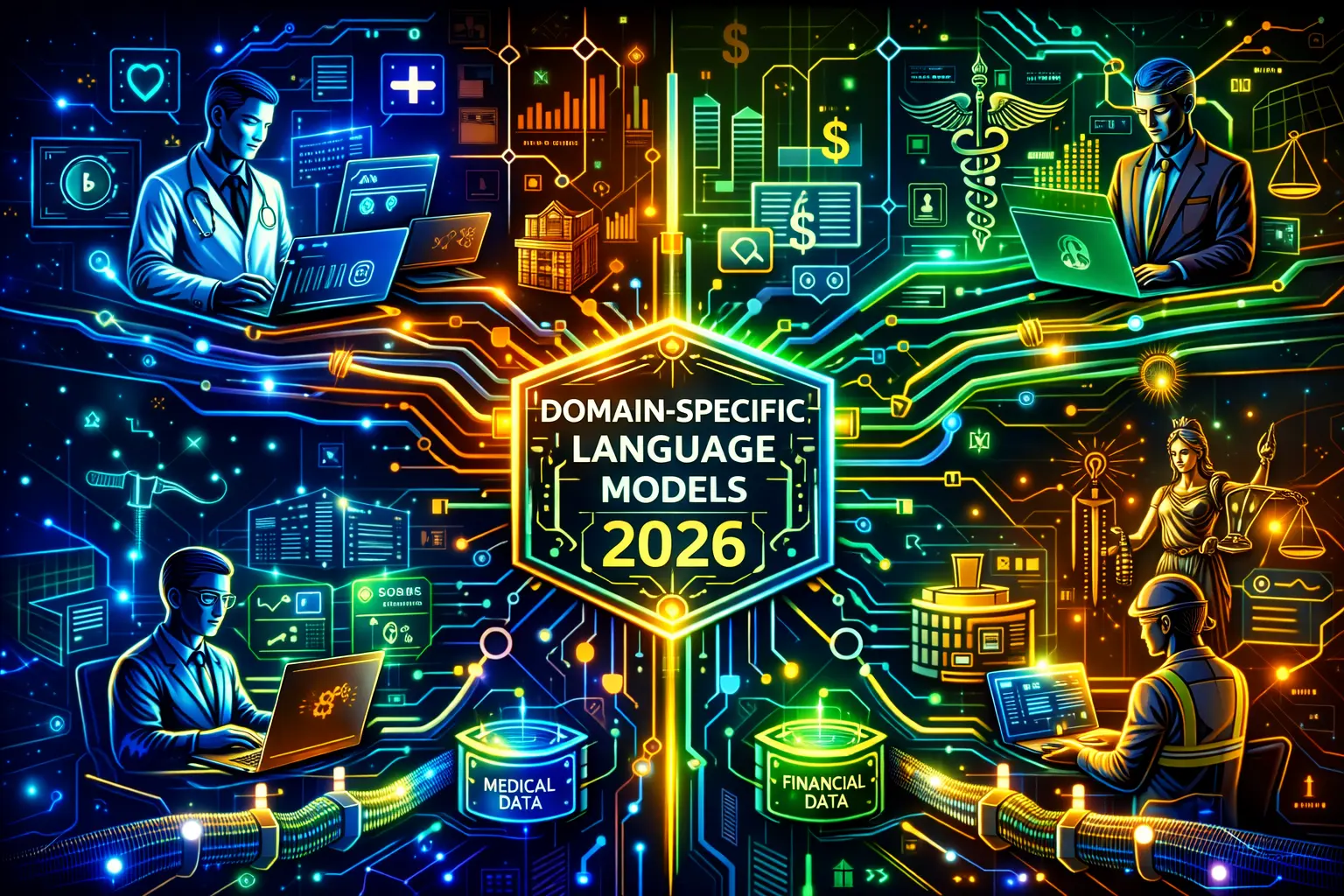
Domain-Specific Language Models are redefining AI in 2026 with higher accuracy, lower costs, and industry-focused intelligence for enterprise applications. Multiagent Systems: Powering Autonomous AI in 2026 🚀 The Rise of Domain-Specific Language Models In 2026, the AI landscape is undergoing a decisive shift—from massive general-purpose models to Domain-Specific Language Models (DSLMs). These specialized AI systems…