
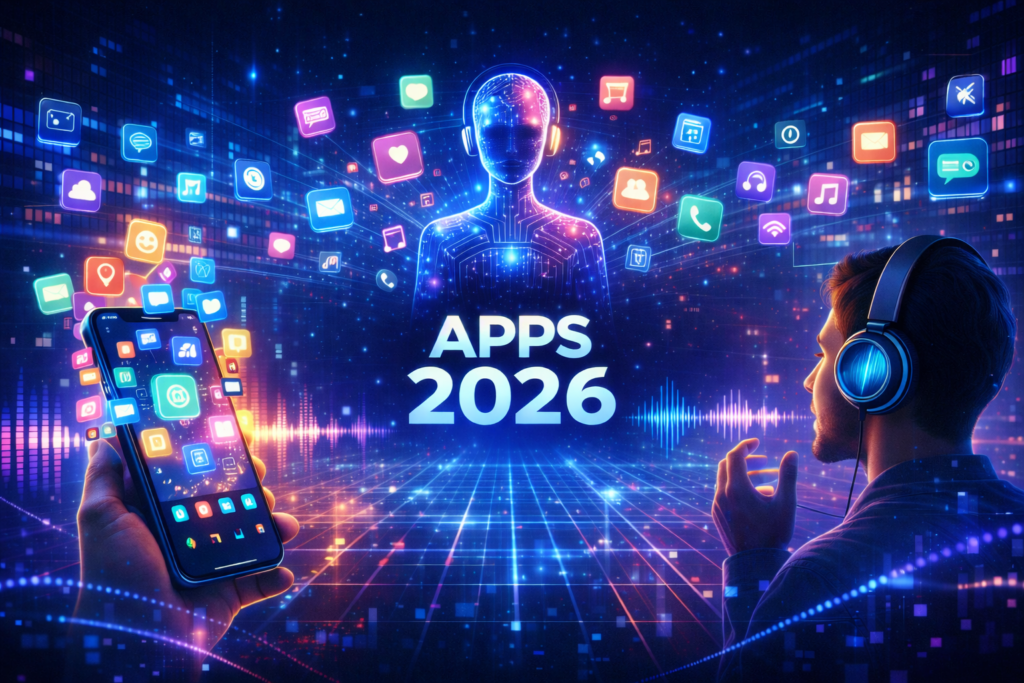
Discover how Apps are evolving in 2026 with AI agents, super apps, and intelligent automation reshaping the future of mobile experiences.
Music Streaming in 2026: AI Disruption, Market Boom & the Battle for Listener Control
Introduction: The Reinvention of Apps
The world of Apps is undergoing its most disruptive transformation since the smartphone revolution. In 2026, apps are no longer standalone tools—they are becoming AI-powered ecosystems capable of thinking, predicting, and even acting on behalf of users.
From conversational AI assistants to autonomous app agents, the definition of “Apps” is being rewritten in real time.
Breaking News: AI Is Reshaping the App Economy
Recent developments reveal a massive shift:
- AI is now deeply embedded into app experiences across industries
- Voice-first and conversational interfaces are replacing traditional UI
- Entire app ecosystems may be replaced by AI agents controlling multiple services
A notable example is the emergence of AI systems that can control smart devices and services without requiring multiple apps, signaling a potential disruption of the traditional app model
Meanwhile, major tech companies are investing heavily:
- Meta is building advanced AI teams to improve app recommendations and engagement systems
- Apple is integrating conversational AI into ecosystems like CarPlay for hands-free interaction
The takeaway: Apps are evolving from tools into intelligent assistants
Rise of AI-Powered Apps
Artificial intelligence is now the core engine behind modern apps.
Key Innovations:
- Conversational AI replacing navigation menus
- Smart assistants embedded into every app layer
- Real-time personalization based on behavior
AI apps like ChatGPT and Gemini are already dominating user engagement, with hundreds of millions of users globally
Additionally, Android and iOS ecosystems are rapidly integrating AI features into productivity, communication, and creative tools
Apps are shifting from reactive → predictive → autonomous
The Rise of AI Agents: “Apps Without Apps”
A major 2026 trend is the emergence of AI agents:
- Single AI interface managing multiple services
- No need to switch between apps
- Tasks completed via natural language commands
Some experts believe this could “kill the app economy” as we know it
Imagine ordering food, booking travel, and managing finances—all through one AI assistant instead of multiple apps.
Platform Wars: Apple vs Google vs Meta
Tech giants are racing to dominate the future of apps:
Apple:
- Developing AI-powered Siri with deep system integration
- Testing standalone AI app interfaces
- Expanding AI into vehicles and ecosystems
Google:
- Expanding Gemini AI across mobile and enterprise apps
- Enhancing productivity tools like Gmail with AI
Meta:
- Investing in AI-driven recommendation engines
- Enhancing personalization across social apps
Competition is no longer about apps—it’s about AI ecosystems
Emerging App Trends in 2026
Key trends shaping the app industry:
Super Apps
Apps combining multiple services (payments, chat, shopping) into one platform.
Voice & Conversational UI
Users interact via voice instead of tapping screens.
AR/VR Integration
Immersive app experiences using augmented and virtual reality
Low-Code / No-Code Apps
Apps built using natural language and AI tools.
Privacy & Ethical AI
Security and data protection becoming critical app features.
Social & Cultural Impact of Apps
Apps are no longer just tools—they shape behavior:
- Dating apps are using AI to improve compatibility and engagement
- Social platforms are introducing AI-powered content customization
- User expectations now demand instant, hyper-personalized experiences
Evolution of Apps
Understanding today’s shift:
- 2008–2015: App explosion (App Store era)
- 2016–2022: Platform dominance (super apps, ecosystems)
- 2023–2026: AI-first apps and automation
Now entering the “post-app era”
Future Outlook: What Comes After Apps?
The next phase could redefine everything:
- AI-first operating systems
- Invisible apps working in the background
- Personalized digital assistants replacing interfaces
- Context-aware computing (apps that act before you ask)
The future may not be about downloading apps—but interacting with intelligence
Disclaimer: This content is created for informational and illustrative purposes only. The visual representation is a conceptual design intended to showcase future trends in Apps and artificial intelligence. Any resemblance to real applications, interfaces, or brands is purely coincidental. All trademarks, logos, and brand names mentioned or depicted remain the property of their respective owners. This image does not imply any official partnership, endorsement, or affiliation with any company or platform.
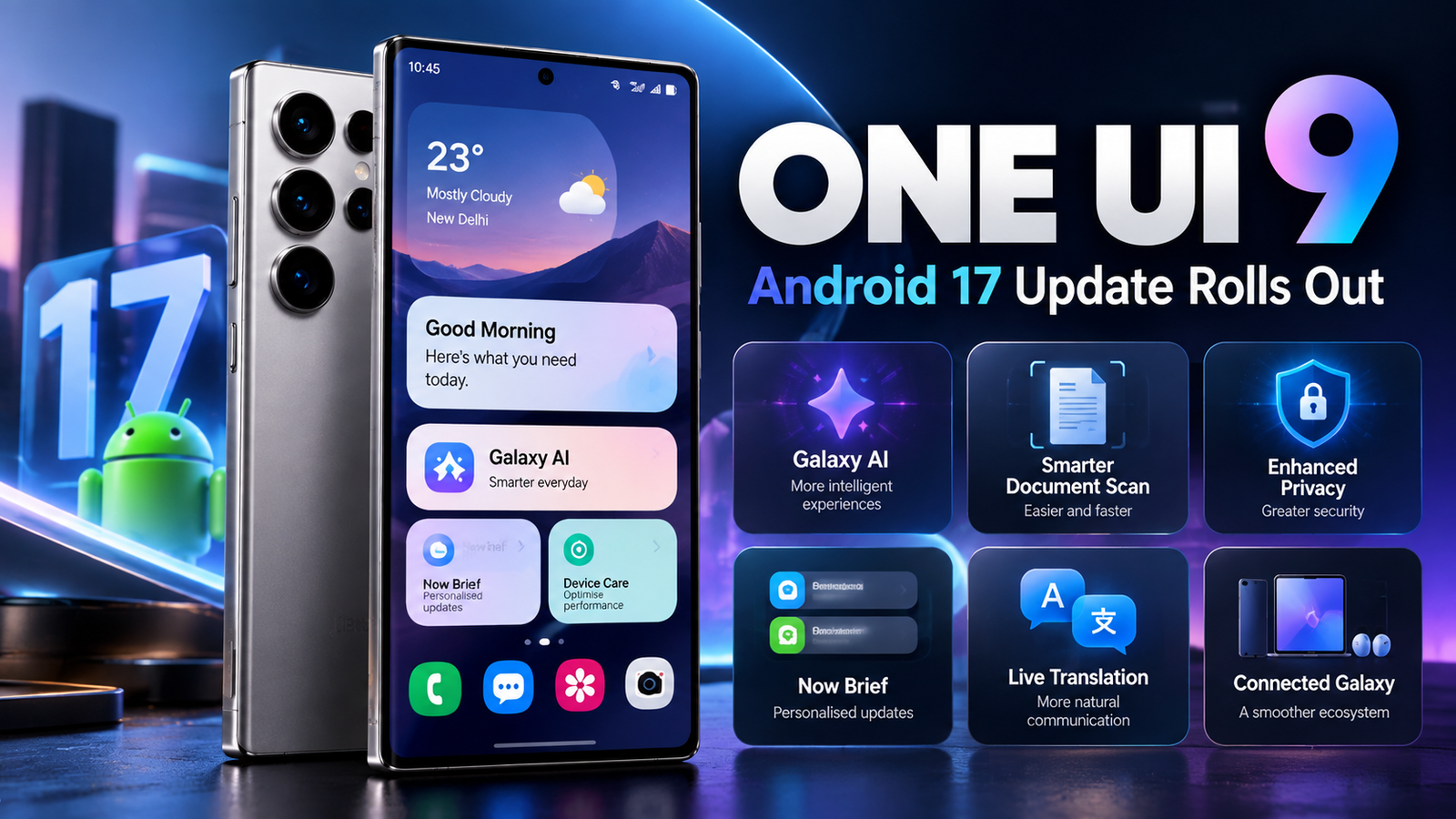
One UI 9: Samsung’s Android 17 Update Rolls Out

One UI 9 is rolling out with Android 17, Galaxy AI upgrades, privacy tools and new features. Here’s the latest Samsung rollout news and device status. Canon EOS R8 Captures Global Attention in 2026 One UI 9: Samsung’s Android 17 Rollout Gathers Pace Samsung’s One UI 9 rollout is entering an important phase. After months…
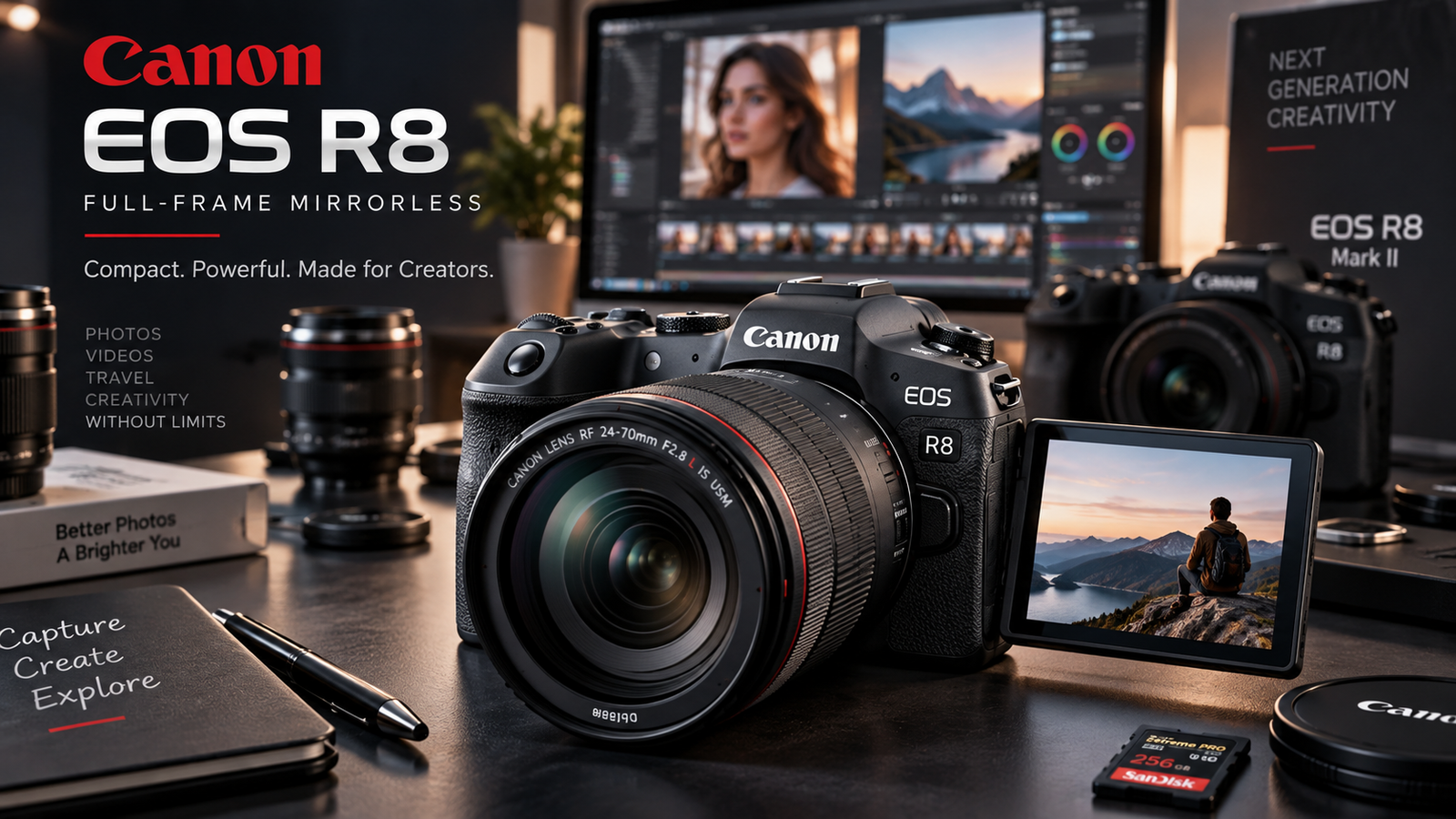
Canon EOS R8 Captures Global Attention in 2026

Canon EOS R8 gets a major 2026 buying boost as the R8 Mark II arrives. Check its price, specs, 4K video, 40fps shooting and latest firmware. Household Electric Fan: The Quiet Shift to BLDC Cooling The Canon EOS R8 has suddenly become a more interesting camera in 2026, not because Canon has quietly replaced it,…
Household Electric Fan: The Quiet Shift to BLDC Cooling
A household electric fan is getting smarter in 2026, with BLDC motors, battery backup and better efficiency reshaping how Indian homes stay cool. Redmi Note 17 Pro Max: 10,000mAh Battery Changes Game Household Electric Fan: The Quiet Shift to BLDC Cooling The humble household electric fan is going through a surprisingly important transformation. For decades,…


Pingback: 🚗 Autonomous Vehicles in 2026: Breakthrough Innovation Meets Real-World Risks